(512 views)
Introduction
Slip-and-fall accidents can occur anywhere, at any time. These accidents, which are often overlooked, can be quite common and result in serious injuries. The question that follows these accidents is often, "Who is responsible for the slip and fall accident?"
If you find yourself engaged in a slip and fall incident, then it is important to have a clear understanding of the concept of slip and fall liability. Knowing this will enable you to evaluate whether you have a legitimate claim and also identify who is legally liable for the loss or damage. To get the answer to this query, let's dissect the components at play, such as the negligence of the property owner, the presence of dangerous conditions, and the legal obligation of care.
What is a Slip and Fall Accident?
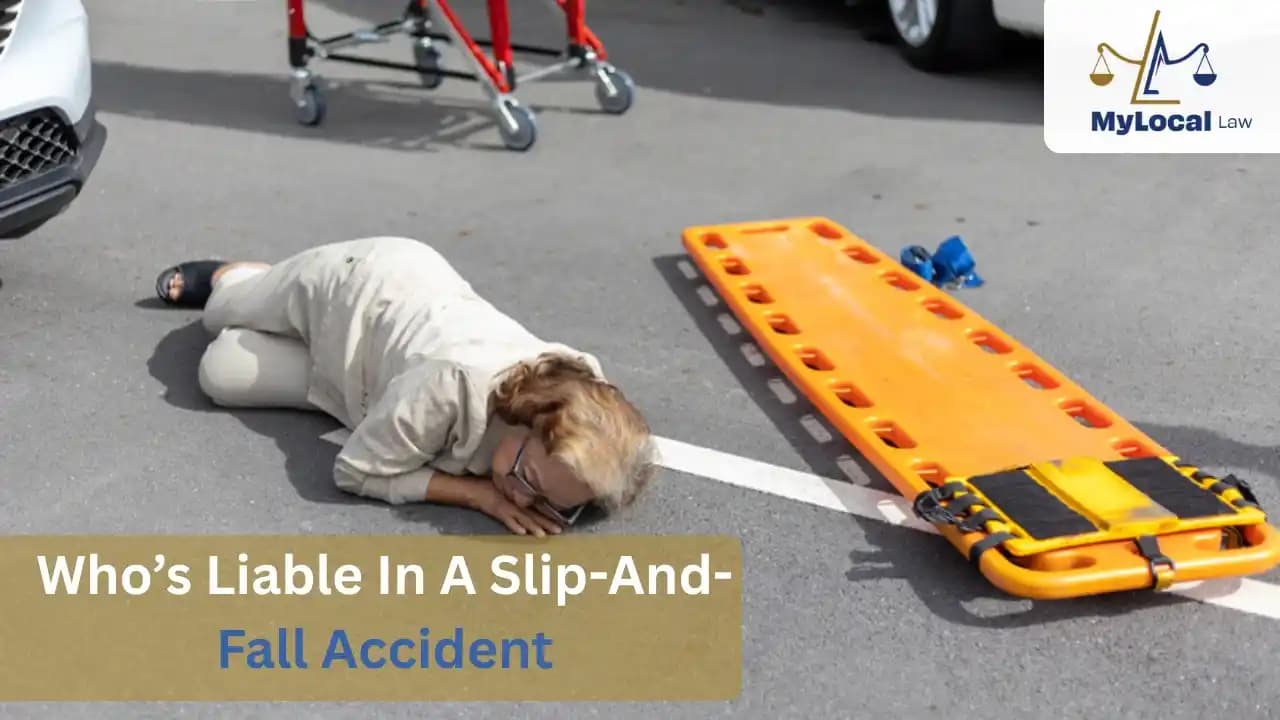
A slip and fall accident is defined as an incident where one falls as a result of a hazardous or unsafe condition on another individual’s property. These accidents can occur in many situations, such as slipping on a wet floor, tripping over a broken sidewalk, or falling on an icy driveway. Injuries may range from minor bruises to serious conditions like fractures, concussions, or spinal cord damage. In such cases, consulting a slip and fall lawyer can help determine whether the property owner may be legally responsible.
The Role of Property Owners in Slip and Fall Accidents
In matters regarding liability for slip and fall accidents, it is the property owner who plays the central role. In most instances, the property owners have the obligation to keep the area safe for people who come to visit. The law recognizes this obligation as the "duty of care."
The duty of care is a law that mandates property owners to implement reasonable measures aimed at averting the occurrence of accidents and injuries on their property. These measures include keeping the property in a safe state, providing proper and adequate warnings about the dangers that could potentially be there, and repairing any dangers that could cause harm.
To illustrate, imagine a situation where, on the part of a store, there was a drink that was spilled, and the store owner did nothing to clean the floor. If a person comes and slips on the drink and gets hurt, it could be argued that the store owner has shown negligence by not fixing the dangerous situation. The same would apply to a situation where a property owner turns a blind eye to an icy pathway, and a guest falls; the property owner could be deemed responsible for not taking prompt action to clear the ice.
Property Owner Negligence and Slip and Fall Liability
It is property owner negligence that leads most frequently to the liability for slip and fall accidents. Negligence is a term that denotes a conduct that is not up to the level of a reasonable person acting under the same circumstances. Negligent acts of property owners are the main contributors to the occurrence of slip and fall accidents when they do not rectify the hazardous situations that could otherwise lead to a fall.
To illustrate, a retail store might be regarded as negligent if it is aware of the leaky roof that causes water to drip onto the floor and creates a slippery spot, and yet does not fix the problem. A similar situation would be when customers are allowed to walk on the wet floor or the icy sidewalk without any warning signs being put up. The business could be held responsible for not taking adequate measures to avoid accidents by not placing the warning signs around the hazardous areas.
Negligence can be manifested in several ways:
- Failure to keep up the property: When the owner of a building does not keep it in a state of safety, he might be accused of causing the injuries that have been incurred by the occupants of that building.
- Negligence in the known dangers: The property owner is cognizant of a perilous situation and takes no action to remedy it; he then finds himself at the doorstep of liability.
- Non-disclosure of hazards to people coming in: Sometimes, the property owner may not be directly accountable for the danger but still might have to face the consequences of not warning the visitors about the threat.
For instance, in many cases, just putting up a sign saying “wet floor” is enough to free the owner from liability.
Dangerous Conditions That Can Lead to Slip and Fall Accidents
- Wet or slippery floors: The presence of water from spilled drinks, waxing, or rain can make the floor very hazardous for the people walking on it.
- Uneven surfaces: A cracked sidewalk, tiles that are not firmly placed, or uneven flooring are the major reasons why people trip.
- Clutter or obstacles: Walkways that are blocked by things like boxes, cords, or debris can cause people to fall.
- Poor lighting: It is very easy to overlook a hazard when the light is not sufficient; that's why accidents are more likely to happen in poorly lit areas.
- Icy walkways: Icy sidewalks in winter usually cause slip and fall accidents.
But the point is that not every accident that takes place in the above-mentioned dangerous conditions always leads to a liability case. The property owner must have notice of the dangerous condition and fail to take appropriate action. If the hazard has just occurred or the owner has not had sufficient time to fix it, they may not be held responsible for the accident.
Similar legal principles apply across other types of personal injury cases as well. For example, understanding the common causes of car accidents in California can help clarify how negligence and liability are determined in vehicle-related incidents.
The Duty of Care and Slip and Fall Accidents
To recap, property owners have the legal obligation to ensure that their property is safe for visitors. The degree of care they must offer will vary depending on the kind of relationship between the property owner and the visitor. Typically, visitors are divided into three categories: invitees, licensees, and trespassers.
- Invitees: These are the individuals who come onto the property for business, like store customers. The property owners owe the highest level of care to the invitees and are responsible for either eliminating the risk of accidents or being ready with an emergency response in the areas of the hazards that they are aware of.
- Licensees: They are people who come onto the property for social purposes, such as friends and guests. They still get the owner’s care, but only through warnings about the risks that are known. There is no obligation to remove the non-imminently dangerous hazards.
- Trespassers: These are individuals who illegally occupy the land. Property owners usually do not extend the duty of care to trespassers, with the exception of those cases where the property owner has knowledge of the trespasser’s presence and can predict the occurrence of danger.
How is liability determined?
The following factors will be taken into account when deciding on liability in a slip and fall accident:
- The accident’s cause: What was the specific dangerous condition that caused the fall? Was the property owner aware of the threat?
- The actions of the property owner: How did the property owner respond to the situation? Did he take reasonable steps to either eliminate the danger or to warn people about it?
- The extent of injury suffered by the visitor: To what degree was the injury, and
- The visitor’s behavior: Was he behaving carelessly or not being cautious at the time of the accident? For instance, did he neglect the warning signs or go through an area that was known to be dangerous?
If negligence is determined on the part of the property owner and the accident was preventable, then the property owner is liable for the victim’s injuries. Sometimes, the insurance of the property owner will take care of the payment, and in other cases, the injured person will have to go to court to get compensation.
What Happens if the Property Owner is Not Liable?
Not every slip and fall accident results in property owner liability. If the owner can prove they took reasonable steps to prevent the hazard, they may not be held responsible for the victim's injuries. Additionally, if the injured person shares some fault—for example, ignoring a “wet floor” sign—their compensation may be reduced.
To better understand how fault, liability, and compensation are determined, it helps to be familiar with key legal concepts. You can explore these in our guide on 10 legal terms every injury victim should know.
In some situations, other parties besides the property owner may also be liable. For instance, contractors or maintenance workers responsible for fixing hazards could share responsibility if they fail to act promptly.
Is AFib Dangerous in a Slip and Fall?
If you are someone who has a medical condition like AFib (atrial fibrillation), you might be curious about how this condition influences a slip and fall accident. AFib is characterized by an irregular heartbeat, which can lead to an increase in the risk of blood clots and stroke. Although AFib does not really cause a fall, it can actually worsen the injuries resulting from a slip and fall. In case of a fall, AFib could make the recovery process longer and more difficult, as the irregular heartbeat might result in complications during recovery.
If the accident involved AFib or any other medical condition, it could affect the claim for compensation. To illustrate, if the patient’s heart condition was a factor in the severity of the injury, the injured party might be eligible for extra compensation for the medical costs incurred, pain, and suffering.
Final Thoughts
Slip and fall accidents have the potential to cause severe injuries; thus, the identification of the party at fault is quite important, as it would be the basis for fair compensation. The owners of the property are responsible for the safety of their premises, and if they do not take the necessary precautions, they may be liable for any injuries that occur. It is very important to grasp the concepts of property owner negligence, dangerous conditions, and slip and fall liability, as this will help you to decide if you have a legitimate claim.
If you are a victim of a slip and fall accident, seeking legal guidance from My Local Law is essential to fully understand your rights and explore your compensation options.
Having strong legal representation can help you pursue the justice you rightfully deserve, whether you are an invitee, a licensee, or a trespasser, while you focus on recovering from your injuries.
Having strong legal representation can help you pursue the justice you rightfully deserve, whether you are an invitee, a licensee, or a trespasser, while you focus on recovering from your injuries.